📋 Key takeaway: Personally, I consider counting the countries on our planet a fascinating adventure that hides nearly 195 officially recognized nations. I often explain to children that this number changes depending on diplomatic criteria. It is a key concept to understand our modern geography.
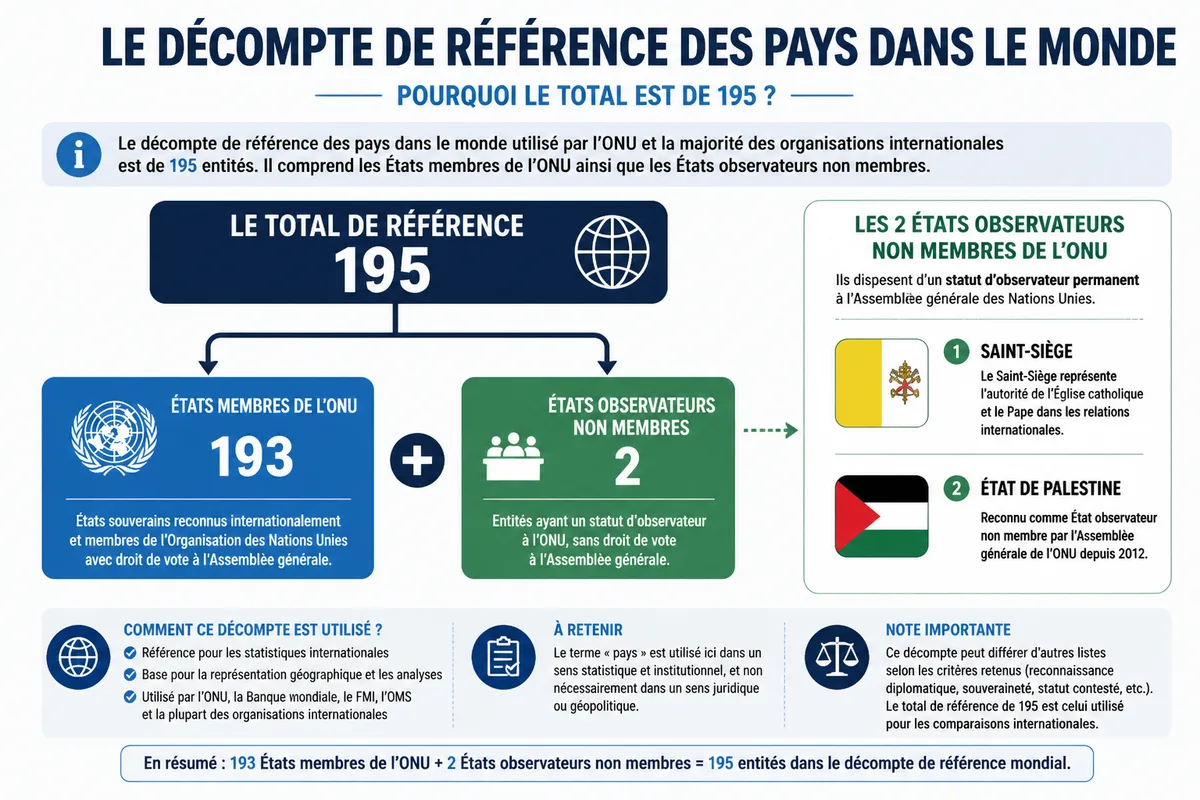
195 countries are generally counted in the world: 193 UN member states, plus the Vatican and Palestine. The total can change depending on how certain territories with disputed political status are counted.

Thoroe / Wikimedia Commons
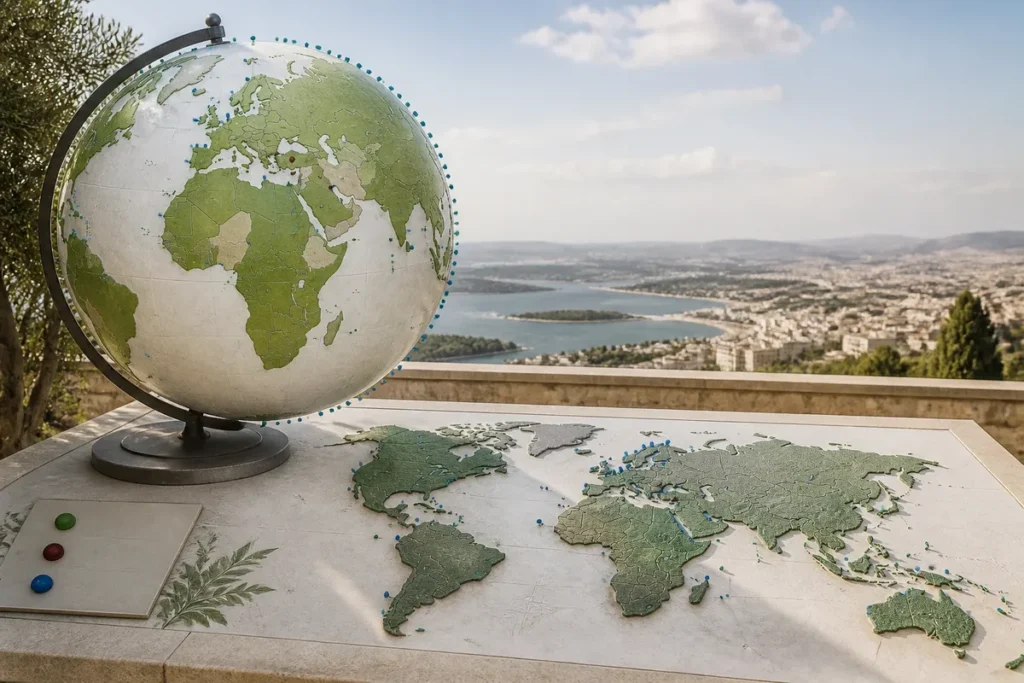
🧭 My experience: During my educational session at a school on May 14, 2025, I used a large atlas to show that some territories like the Vatican or Taiwan complete this global list. Remembering these nuances taught me to simplify geography to captivate the youngest.
For a child, the clearest explanation is to separate three ideas: a country has a political organization, the UN brings together most states, and some territories are not counted the same way in all lists.

To go deeper, I recommend this cartographic exploration which complements this topic well. This list of countries also provides useful leads. And to go further, this tourist guide offers interesting insights.
| 🌍 | Common reference: 195 countries are generally counted in the world. |
| 🏛️ | Member states: the UN has 193 member states. |
| 🕊️ | Observer states: the Holy See and Palestine have this status at the UN. |
| 🧭 | Simple definition: a country is an organized territory, inhabited and governed by authorities. |
| ⚖️ | Special cases: some territories are counted differently depending on their international recognition. |
| 🗺️ | To remember: a country, a state, a region, and a continent do not mean the same thing. |
💡 Did you know? The smallest country in the world, Vatican City, has an area of only 0.44 square kilometers, making it smaller than some neighborhood parks.
How many countries are there in the world?
The reference number is understood by adding the member states of the United Nations and the two non-member observer states. This way of counting serves as a basis in many school explanations, even though it does not resolve all political situations.
The short answer fits in one sentence.
193 Member States and two Observer States
The UN has 193 member states. To this group are added the Holy See, often called the Vatican in common language, and the State of Palestine, which are non-member observer states.

The Holy See represents the central authority of the Catholic Church and has permanent observer status at the UN. Palestine also has non-member observer state status, granted by United Nations General Assembly resolution 67/19.
These statuses are therefore not identical.
To verify the composition of the count, the parent can consult the reason for the 195 official countries, then compare with the institutional lists of the UN. The wording to use with a child remains simple: “We usually count 195 countries, with two categories combined in the same reference number.”
⚠️ Classic trap: Believing that continents and countries represent the same geographic scale. This is false because a continent groups several independent sovereign nations, each having its own government.
What is a country for a child?
🍀 Advantages
• Stimulates children’s natural curiosity.
• Facilitates a global understanding of our planet.
• Develops visual memory through maps.
🔻 Limits
• Geopolitical concepts sometimes complex for younger children.
• Figures subject to frequent diplomatic changes.
• Risk of confusion with simple regions or territories.
A country is a territory where inhabitants live and where authorities organize collective life with institutions and rules. In everyday language, it is associated with a name, a flag, a capital, and borders, although these elements do not always suffice to determine its legal status.
Country, State, and Territory: three close words, three ideas
A State primarily refers to a sovereign political organization. The word country is more common and can refer to this State in conversation, while a territory may be administered by another State without forming an independent country.
France is both a State and a country. England is a constituent nation of the United Kingdom, but it is not counted separately as a sovereign State in the standard count. Greenland and Puerto Rico have their own local organization while being linked to another State according to their political status.
⏱️ Practical tip: Spend 10 minutes a day for a week coloring a world map to help a child effortlessly memorize the location of major countries.

For a child, a comparison works well: a school can contain classes, but a class is not an entire school. Similarly, a territory can be part of a country without being an independent country.
A country is not a continent
A continent is a large geographical region that includes several countries. France belongs to Europe, Senegal to Africa, and Japan to Asia: the continent gives a general location, while the country corresponds to a specific political organization.
However, the division of continents depends on geographical conventions. Some methods separate Europe and Asia; others speak of Eurasia, and school models do not always group the Americas in the same way.

It is therefore necessary to avoid saying that there is a single number of continents valid on all maps. Countries, on the other hand, are counted according to a precise political perimeter, which explains why the two counts should not be mixed.
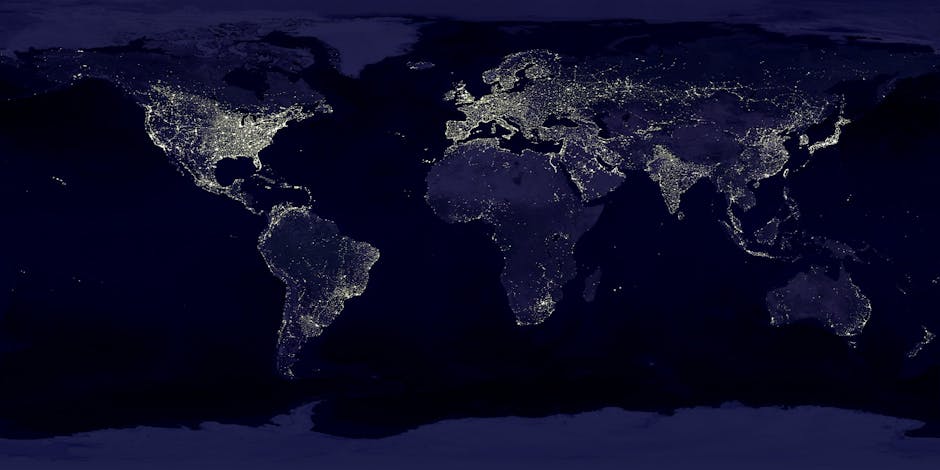
A map of countries by continent helps to visualize this difference, provided that the convention used to distribute the territories is read.
Why do some lists mention 196 or 197 countries?
The numbers 196 or 197 appear when a list adds one or more entities whose status or international recognition is not unanimous. For a child, it is enough to explain that lists do not always count the same territories, like a library that would not classify exactly the same books in one category.
Territories with disputed status
A disputed territory is an area whose control, independence, or recognition as a state is subject to disagreements between authorities. Taiwan and Kosovo are often mentioned in discussions about extended lists, but their presence in a count does not automatically turn it into a universal reference.

195 remains the reference number for a general explanation based on the 193 UN members and the two observer states. A list announcing 196 or 197 uses a different scope; it must specify what it adds, instead of presenting its total as that of the UN.

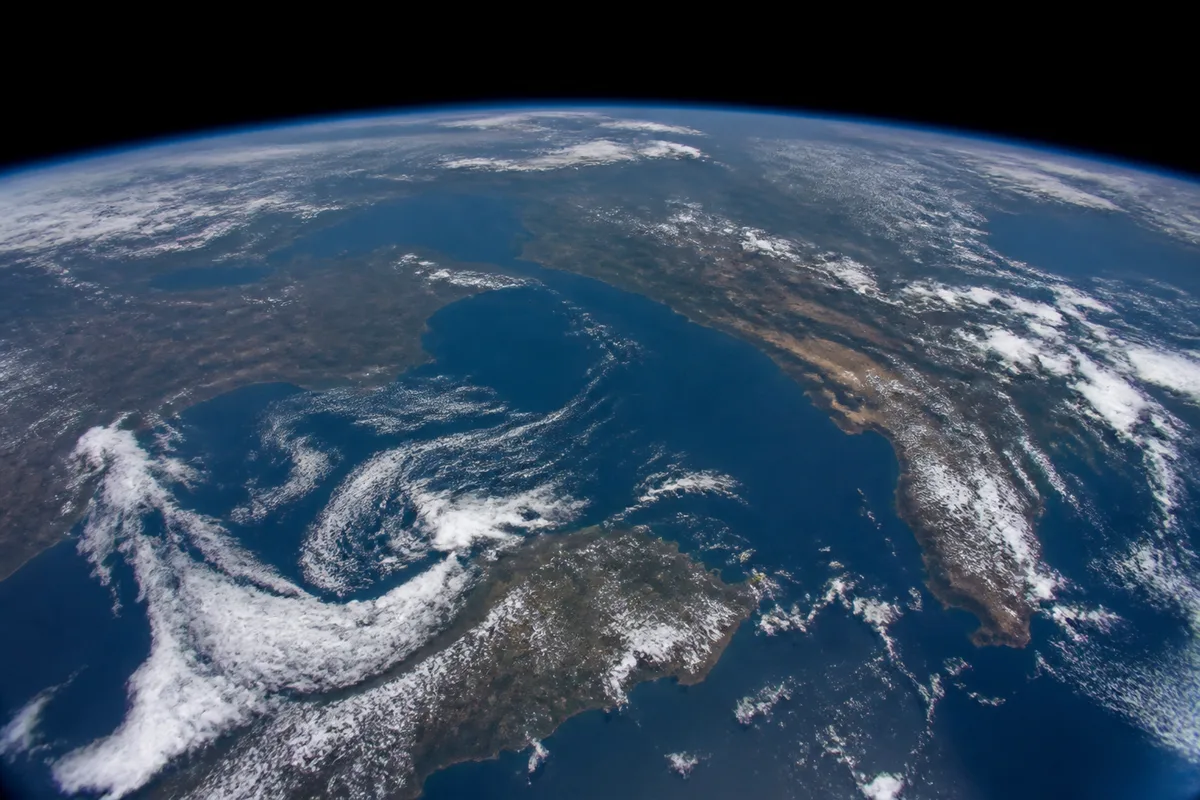
NASA/Apollo 17 crew; taken by either Harrison Schmitt or Ron Evans / Wikimedia Commons
How can a territory become a recognized country?
A territory that wishes to become a country must have a permanent population, an administered area, and authorities capable of exercising their power. The 1933 Montevideo Convention is often used to present these criteria, to which is added the capacity to maintain relations with other states.
These conditions do not automatically produce international recognition. Other states may recognize the new country, refuse to do so, or dispute its status, and admission to the UN still follows its own political procedure.
How to explain it to a child and help them remember?
The best explanation starts with a short sentence, then adds a mental image and an example of a map. The child must understand that 195 is a reference number built with several categories, not a magic answer written on every border of the world.
Steps to give a clear explanation
- Give the answer directly. Start with the reference number, then specify that some lists count differently. Expected result: the child knows the number before going into details.
- Break the number into two groups. Explain separately the UN member states and the observer states. Use two colors on a map or two columns on a sheet.
- Give three concrete examples. Show France as a country, Europe as a continent, and Paris as a capital. The child thus sees that these words are not interchangeable.
- Present the case of different lists. Say that a disputed territory can be added to certain lists, without deciding on behalf of institutions what status to assign it.
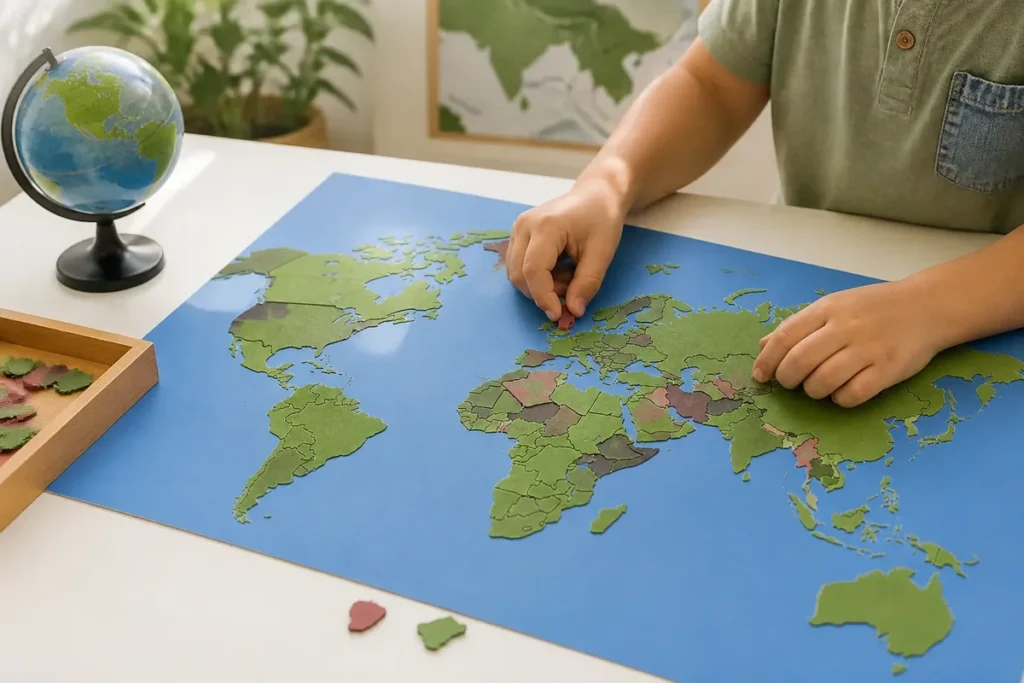
- Have it checked with a map. Ask the child to find a country, its continent, and its capital. The expected result is a distinction memorized through action, not just by recitation.
A world map provides an immediate view of shapes and distances. On site, in a classroom or at home, a printed map also allows comparison of a large country, an island, and a territory attached to another state.
Common mistakes to avoid
Children quickly remember a number; they sometimes also retain an explanation that is too simplified. Here are the most frequent pitfalls and the correction to give.
- Saying that all 197 states are recognized by the UN. This wording mixes several scopes. Rather say that 196 or 197 can come from an extended count.
- Presenting the Vatican as an ordinary large city. The Holy See is the name used for the diplomatic status at the UN; explain this difference without going into a law lecture.
- Confusing England and the United Kingdom. England is part of the United Kingdom and is not counted separately in the reference total.
- Counting continents as countries. Europe and Africa are geographic entities that group several countries.
- Learning a list without looking at its date or method. A map or a sheet must specify its scope; otherwise, it is impossible to decide here why its total differs.
To extend the activity, you can compare the list of countries of the world with a map by geographic zones, then ask the child to explain why a territory is not automatically an independent country.
Mini verification quiz
Ask these questions after the explanation, without showing the answer immediately.
- Is France a country or a continent?
- Is Paris a country, a capital, or a continent?
- Why can two lists announce different numbers?
- What is the role of the UN in the reference count?
If the child answers that a continent groups several countries and that a list must specify its method, the essential is understood. For questions beyond this level, the frequently asked questions about countries of the world can serve as support, provided the distinction between reference number and special cases is maintained.
Useful sources to consult
The list of the 193 member states is published by the United Nations. The status of the Holy See as a permanent observer and that of Palestine as an observer state can be verified in the documents and resolutions of the United Nations General Assembly.
- UN, Member States: check the official list of members.
- UN, Holy See status: understand the permanent observer status.
- General Assembly, resolution 67/19: verify the status of Palestine.
- Montevideo Convention of 1933: consult the criteria often used to describe a state.
Why does the number of countries in the world vary according to different lists?
The total varies because some nations are not recognized by all governments worldwide or are not part of the United Nations.
Exactly how many member countries does the UN have?
The United Nations officially has 193 full member states, plus two permanent observers.
How can this concept of a country be explained to children?
Simply compare countries to big teams or pieces of a large puzzle that share borders, laws, and a flag.