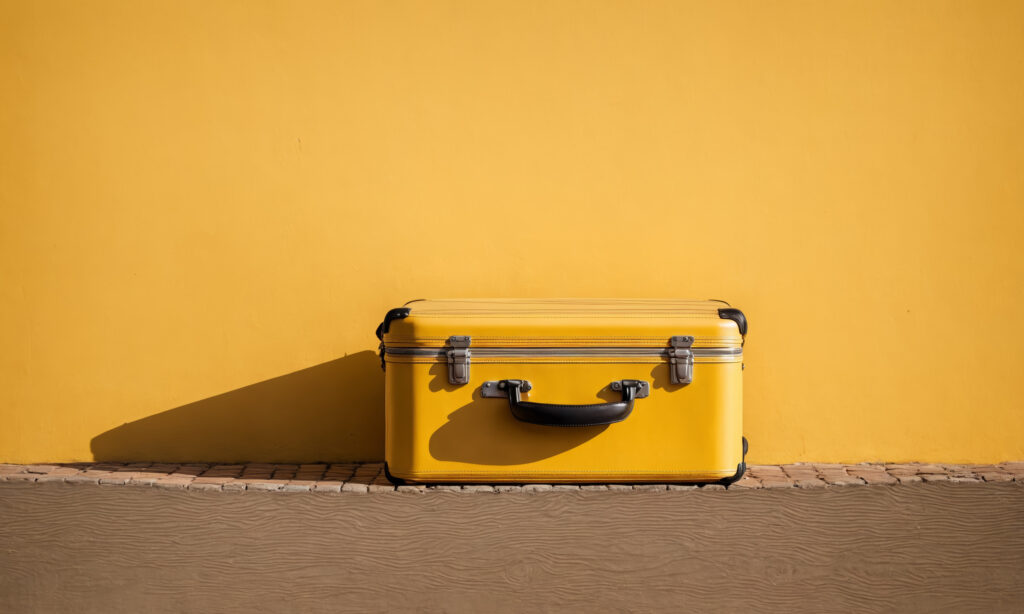
The choice of a hard suitcase is not just a simple buying reflex. From the moment you enter a terminal, the item accompanies every movement, undergoes rapid handling, and protects often valuable contents. A hasty decision exposes you to concrete inconveniences, such as a fragile shell, an unsuitable volume, or insufficient mobility.
To choose a hard-shell suitcase well: aim for a polycarbonate or polypropylene shell, 4 double wheels, a secure closure (reinforced zip or frame), and a TSA lock. First check your airline’s cabin dimensions, the empty weight, repairability, and the warranty. Match the size to the length of your trip and your baggage allowance.
Conversely, a thoughtful selection brings peace of mind and comfort throughout the entire trip. Faced with a dense and sometimes confusing offer, certain structuring criteria help guide the choice without giving in to fashion trends. The objective remains clear: to find a balance between protection, practicality, and durability, while respecting current transportation constraints.
Understanding materials and their impact on durability
The sturdiness of a hard suitcase primarily depends on the material used for its manufacture. Polycarbonate stands out as a reference for its ability to absorb shocks without cracking, even after repeated handling. ABS maintains a notable place due to its more accessible cost, although its resistance proves more limited in the long term. Some hybrid models attempt to combine lightness and rigidity, with varying results depending on the assembly quality and wall thickness. The choice of material directly influences the luggage’s longevity and the security of personal belongings.
| Criterion | Useful benchmarks |
|---|---|
| Size | Cabin approx. 55×40×20 cm; hold 23 kg (≈70–90 L); long-haul 90–110 L |
| Shell material | Polycarbonate: light: durable; Polypropylene: robust: a bit heavier; ABS: economical: less durable |
| Weight | Cabin ≤ 2.6–3.0 kg; hold ≤ 3.2–3.8 kg to optimize allowance |
| Wheels | 4 silent double “spinner” wheels, replaceable screwed axles |
| Closure | Puncture-resistant zipper or latch frame; TSA lock mandatory for US flights |
| Handle: chassis | Aluminum telescopic handle with 2/3 stops, corner reinforcements, top handle: solid side handles |
| Interior | Zipped dividers, crossed straps, waterproof pocket, removable cover |
| Water resistance | Shell + treated zipper or peripheral seal; beware of tropical showers |
| Durability | 5–10 year warranty, repair service, spare parts available |
| Typical usage | Weekend 35–45 L; 1 week 60–80 L; 2+ weeks 90–110 L |
Beyond the raw material, the overall design deserves particular attention when choosing hard suitcases. A thick shell, equipped with discreet corner reinforcements, reduces the risk of deformation during intensive loading. The exterior finish also plays a significant role, as a textured surface better masks scratches caused by conveyor belts. Every technical detail reflects the manufacturer’s level of demand. A careful analysis of these elements helps avoid excessive compromises between aesthetics and resistance.
Choosing the right size according to the type of trip
The size of a hard suitcase directly conditions the travel experience. A cabin size meets the requirements of short stays and facilitates quick airport passages. However, this choice requires rigorous organization, as the volume remains limited. On the opposite end, a large suitcase is suitable for extended trips or family travel, with generous space for clothes and accessories. Between these two extremes, intermediate models offer appreciable versatility for variable durations.

Each airline applies specific rules regarding the allowed dimensions and weight. An ill-suited suitcase results in additional fees and unnecessary constraints. The size assessment must therefore take these parameters into account from the time of purchase. A volume consistent with the frequency and nature of the trips guarantees optimal use of the luggage. The right size never happens by chance, but from a realistic projection of future needs.
Assess Maneuverability and Travel Comfort
Maneuverability is a key criterion for evaluating a hard-shell suitcase on a daily basis. Multidirectional wheels provide appreciable smooth movement in crowded spaces. A four-wheel system ensures constant stability, even over long distances. The quality of the bearings strongly influences the gliding sensation and limits effort during prolonged movements.
Comfort also comes from the telescopic handle, whose sturdiness and adjustment precision determine ergonomics. A poorly adjusted handle quickly causes unnecessary fatigue. Side handles facilitate handling during loading or stair climbing. A careful design of these elements transforms a simple piece of luggage into a true mobility ally, capable of keeping pace with the demands of modern transportation infrastructures.
Before buying your hard-shell suitcase, check your carrier’s cabin regulations with our guide on cabin suitcase dimensions by airline. If you are traveling with children, a suitable hard-shell suitcase makes organization easier: read how to plan an air trip with children. Finally, consider the essential equipment around your hard-shell suitcase by consulting preparing for travel abroad: essentials.
Security and Closure Systems Not to Be Overlooked
Protection of the contents largely depends on the closure system. Combination locks integrated and compliant with international standards provide reassurance during customs inspections. This device limits the risk of break-ins without damaging the suitcase. A reinforced zipper adds an extra barrier against forced openings, especially on models subjected to high internal stresses.

The quality of assembly also affects the overall security level. Poorly aligned closures or fragile seals compromise protection, even with a high-performance lock. Attention to these details reduces unpleasant surprises upon arrival. Security is not just a simple accessory, but a coherence among all the luggage components.
FAQ: Hard-shell Suitcase
A hard suitcase must comply with the airline’s cabin or checked baggage dimensions; a hard polycarbonate suitcase with 4 double wheels and a TSA lock is a safe choice.
The hard polycarbonate suitcase offers the best strength-to-lightness ratio, polypropylene is very sturdy but heavier, ABS is the most economical hard suitcase.
For a hard suitcase, count on 35–45 L for a weekend, 60–80 L for a week, 90–110 L for two weeks or more.
A framed hard suitcase is very secure but heavier; a puncture-resistant zip lightens the hard suitcase while remaining reliable.
Choose a hard suitcase with a shock-tested shell, replaceable screwed wheels, and a long warranty with a repair network.