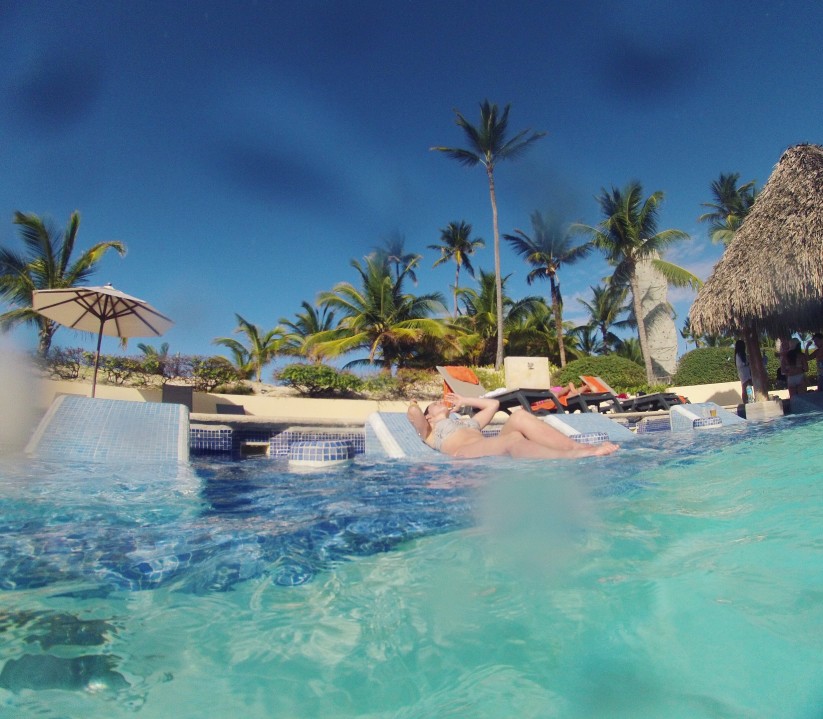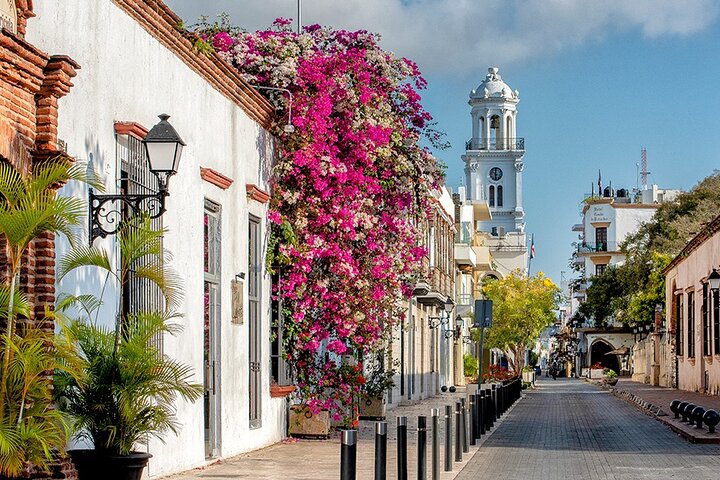
You are considering a vacation in Punta Cana and would like to know what the best time is to enjoy the beach and activities under the Dominican sun? Choosing the right time often guarantees a more pleasant stay, whether you are looking for tranquility or ready to face the tourist bustle. To properly organize a trip, it is important to examine the climate, the weather, and the tourist influx at different times of the year. Here is how to plan a tailor-made vacation taking into account temperatures, the dry season, the wet season, precipitation, and the best periods.
The key takeaway from my traveler’s perspective: I am convinced that the period from December to April remains the absolute grail for anyone seeking flawless azure skies. In my opinion, it is the time when the sea breeze perfectly balances the tropical heat, avoiding that heaviness one can feel later in the year. I personally favor the months of March and April, as the water has already warmed up considerably and the large crowds from the year-end holidays have dissipated, giving way to a more serene atmosphere on the sand.
Understanding the climate of Punta Cana

Before booking a ticket, it is better to look into the climate prevailing in Punta Cana. This tropical destination, located on the eastern tip of the Dominican Republic, features a warm and sunny climate almost all year round. Temperatures range between 26°C and 32°C, allowing you to enjoy the beach in any season.
Even though the weather always seems favorable, some periods are more suitable than others depending on the level of precipitation, the felt heat, and the humidity of the air. These elements influence not only the possible activities but also your comfort day after day.
To perfect your knowledge of the region, it is useful to know precisely where the Dominican Republic is located in order to better understand its climatic currents. A longer stopover can also be an opportunity to prepare a Caribbean cruise getaway to discover the neighboring islands. Finally, don’t forget to check our tips on how to properly prepare your trip abroad: Next: it is advisable to verify your official documents before any booking.
Differences between dry season and wet season
In Punta Cana, the year is clearly divided between the dry season and the wet season. This difference plays a key role in choosing the ideal period to travel.
Each season brings its share of particularities, whether it is more bearable temperatures, a clear sky, or the possibility to enjoy the beach without interruption.
How is the dry season defined?
The dry season generally extends from December to April. During this period, precipitation is less frequent and the days remain sunny. Temperatures hover around 27 to 30 °C, which attracts many visitors seeking warmth during the winter.
In the heart of the dry season, humidity drops, making the air pleasant for all kinds of activities. It is also the period when the sea remains the calmest, ideal for fans of diving and water sports.
What are the main features of the wet season?
The wet season, from May to November, is characterized by a gradual increase in rainfall. Rain episodes intensify especially in September and October, with sometimes sudden but brief showers. Temperatures remain high, often exceeding 30 °C.
Despite less stable weather, many travelers still enjoy the sea and beaches. The air humidity rises, which can make walks in the early afternoon a bit less pleasant. Moreover, the risk of cyclones increases between August and October, which can influence the choice of the ideal period.
What is the best time to go to Punta Cana?
| Period | Climate | Water Temperature | Crowd Level |
| December to April | Dry and sunny | 26°C | High (Peak season) |
| May to August | Hot and humid | 28°C | Moderate |
| September to November | Risk of storms | 29°C | Low (Off-season) |
| February and March | Ideal (Clear sky) | 27°C | Very high |
Many consider the dry season as the best time to travel to Punta Cana. Between December and April, the weather offers a clear sky, rare rain, and comfortable temperatures, ideal for lazy days and the various activities offered on site.
However, this choice also depends on your priorities: those looking to avoid heavy tourist crowds will avoid European and North American school holidays, a period during which the beaches and hotels are fully booked.
I still see myself on a terrace in Bavaro, one June afternoon, as a monumental shower poured down on the palm trees. Instead of complaining about the weather, I stood still watching the steam rise from the burning sand: Then: I felt an immense peace before this force of nature. This awareness radically changed my way of traveling: I understood that ideal weather is not necessarily a cloudless sky, but the ability to savor the present moment, regardless of the intensity of the tropical elements.
Which activities to prioritize according to the season?

During the dry season, you can indulge in diving, sea excursions, or visits to natural parks without fearing rain. Evenings under the stars or walks on the beach at sunset then become special moments.
The wet season is not without interest either. Some activities like surfing or kitesurfing benefit from stronger waves, and the lush landscapes after the rain offer a new face to the region. The rivers and waterfalls fill up, adding beautiful options for exploration.
What are the advantages and disadvantages of the different periods?
- December to April: dry climate, pleasant temperatures, high attendance, higher hotel rates
- May to August: more intense heat, moderate rainfall, lower attendance, sometimes more affordable prices
- September to November: higher risk of rainfall, low tourist attendance, frequent promotions and special offers
Adjusting the departure period according to your priorities often helps balance budget, weather, and the type of experience sought.
Tourist attendance and local atmosphere
Tourist attendance dictates not only the atmosphere on the beach but also the availability of excursions and activities. Choosing to travel outside school holidays or the high season gives access to a more authentic side of Punta Cana. The beaches are quieter, encounters with locals are more spontaneous, and prices in restaurants or shops are often more attractive.
On the other hand, if you are looking for the lively atmosphere of large hotel complexes, the high season provides a bustling experience. Festive evenings, shows, and the range of activities increase during this period, which is more suitable for groups of friends or families wishing to immerse themselves in the local tourist life.
Tips for choosing your ideal period according to the weather
Choosing the right time to go to Punta Cana mainly depends on the weather and the type of activities you want to do. For those who prioritize a dry stay with maximum sunshine, the dry season will be perfect. For those who want to travel at reduced prices and avoid crowds, the wet season can offer pleasant surprises despite some passing showers.
Preparing your trip by taking into account the climate, the level of rainfall, and the maximum temperature avoids many disappointments. Anticipation remains your best ally to fully enjoy the beach, water sports, or nature getaways, whatever the chosen period.
When to go to Punta Cana: choosing the ideal period to enjoy the sun
The dry season, which runs from December to April, is undoubtedly the most favorable for enjoying radiant sunshine. During these months, rains are rare and very brief, giving way to a deep blue sky. It is the ideal time for outdoor activities and long days of uninterrupted relaxation on the beach.
The official hurricane season runs from June to November. Although major events are closely monitored and remain statistically rare, showers can be more frequent and humidity levels higher. Traveling during this period, however, allows you to benefit from much more affordable rates and less crowded hotels.
The temperature of the Caribbean Sea is delightful all year round, never dropping below 26°C. It reaches its peak between August and October, where it can approach 30°C. This is a perfect period for snorkeling and diving, as the warmth of the water allows you to stay submerged for hours without ever feeling cold.