More than 200 criteria go into the star rating of a campsite, according to the Ministry of the Economy. For a stay by the water, I start with just one number, the walking time to the beach. The stars come afterward. They mainly indicate the level of facilities.
Between a pitch at the foot of the dune and a beach twenty minutes on foot, with children, the cooler, and the parasol, the week is completely different.
The criteria that make a difference on site
A seaside campsite is first judged by its actual distance to the water, then by what it offers when swimming is impossible. Accommodation, activities, and opening dates come next. These are the points to check before booking.
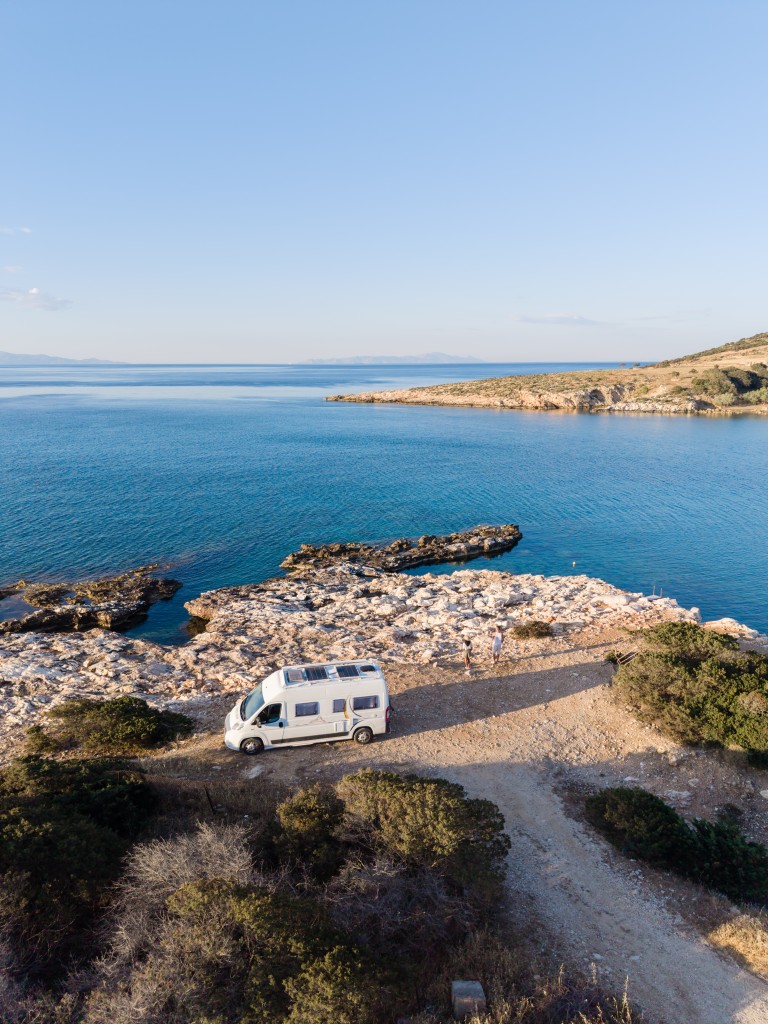
Direct access or beach at a distance
“Direct access” can mean a ten-minute path through the dune. So ask for the distance in meters. Also look at the path on a map, because a route that runs alongside a road or climbs a dune weighs heavily when you are carrying all the gear and a tired child late in the afternoon.
To compare several locations, networks like Sunêlia group selections of seaside campsites rated 4 and 5 stars, with a filter on the distance to the beach.
Pool, accommodation, and activities
On site, the aquatic area serves as a fallback solution. It helps out on red flag days or when the water remains cool, in Brittany as in Normandy. On the accommodation side, the mobile home costs more than a bare pitch but shelters you from a rainy week. However, the activities and kids’ club do not always cover the entire season. Ask for the dates.
Ask the same question about the campsite’s opening period.
Choosing the pitch
On the same site, two pitches do not offer the same stay. On the ocean side, factor in the offshore wind. Near the pool, bar, or restrooms, the traffic and noise last late. Then, ask for a map of the campsite before confirming the number.
Which coastal facade to choose?
Each coast imposes its constraints of tide, water temperature, and crowding. The right choice mainly depends on what you expect from the sea—long swimming, walking, or landscapes—and the acceptable driving time from your home.
Atlantic and Vendée
The large sandy beaches dominate. La Tranche-sur-Mer has about 13 km of beaches, according to the Pays de la Loire tourist site. The waves appeal to surfers, less so to very young children, so favor supervised beaches. The Vendée map helps locate the resorts.
On the Landes and Gironde coast, the “baïnes” create currents that pull out to sea. Outside supervised zones, a red triangular flag temporarily prohibits swimming there.
Mediterranean
The water is warmer and the tide almost absent, a real comfort with young children, but July and August concentrate the crowds on the beaches as well as on the access roads on the Saturdays of major departures.
In summer, the risk of fire also limits walks around campsites in pine forests. From June to September, access to certain mountain ranges in six departments of the Southeast, including Var and Bouches-du-Rhône, may be restricted or prohibited depending on the weather and prefectural decrees. Check the prefecture’s access map before planning a walk.
Brittany and Normandy
The coast alternates between coves, cliffs, and large tides. The water remains cool and the weather changes quickly. But at low tide, the sea can recede far in front of the campsite. So check the tide times before booking a spot near the water. The map of Brittany helps to locate the areas.
Practical advice before booking
Book early for July and August, especially if you are aiming for a mobile home near the beach in a popular resort in Vendée or the Mediterranean, where spots close to the water go first. June and September remain quieter, often with gentler prices and less crowded beaches. But some services close before the end of the season.
Read recent customer reviews. Look for the words that matter to you. Noise, cleanliness, and actual distance often come up. Also check the year of the rating, which is awarded for five years according to the Ministry of the Economy. So a campsite rated four years ago may have changed since then.
Before paying, see if the contract mentions a deposit or down payment. According to ANIL, deposits are lost if you cancel, but the renter must return double if they cancel themselves. On the other hand, the down payment binds both parties. With a professional renter, a sum paid without specification is presumed to be a deposit.
Finally, once on site, swim between the red and yellow bi-colored flags, which mark the supervised area during the lifeguard station hours. No flag at the lifeguard station means no supervision.
If the beach matters more than the pool, choose distance over stars.
Frequently Asked Questions
Five years. The campsite must then renew its application if it wants to keep its stars.
In June or September. Just check that the services you are interested in remain open.
The mobile home if the weather worries you, the pitch if the budget comes first.
Sources: