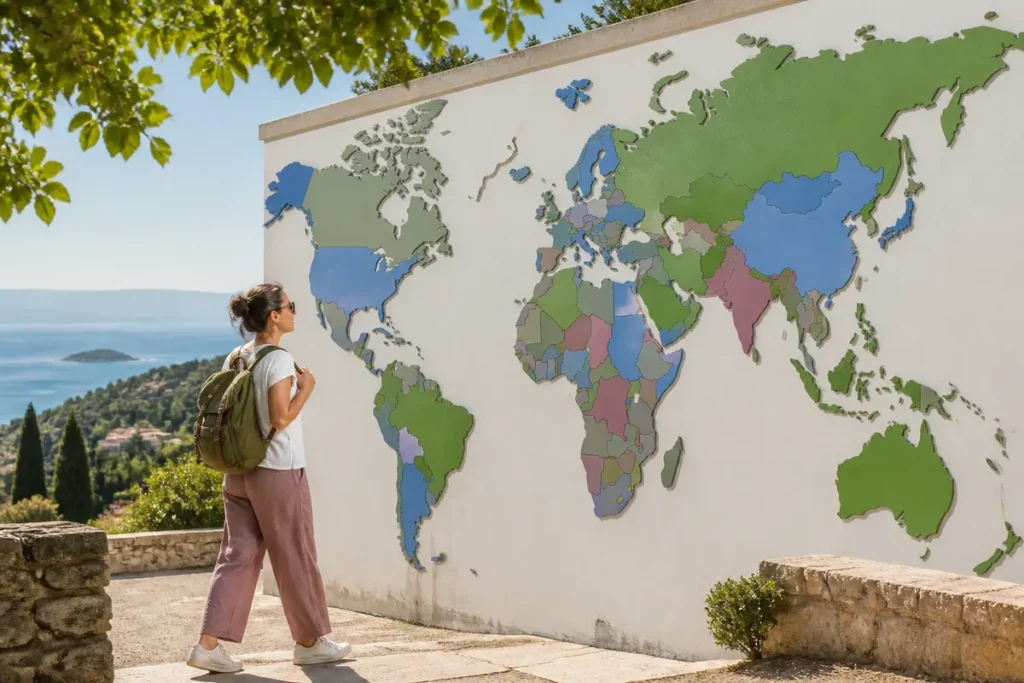
On a world map, Japan looks like a thin crescent that could be crossed in an afternoon. On the ground, the archipelago stretches nearly 3,000 kilometers, from the snowy forests of Hokkaido to the subtropical beaches of Okinawa. That’s roughly the distance between Paris and Cairo.

This optical illusion traps many travelers. Specialized agencies like Rubis Voyages in Switzerland regularly receive requests to connect Hokkaido and Okinawa in ten days, with Tokyo and Kyoto in between. On paper, it all fits. In reality, a good part of the trip would be spent in transit.
Here is how to read the map of Japan to build an itinerary that allows time to see things.
Reading the map of Japan: the major regions and actual distances
Five areas to identify
Japan has more than 14,000 islands, but five areas are enough to organize a trip.
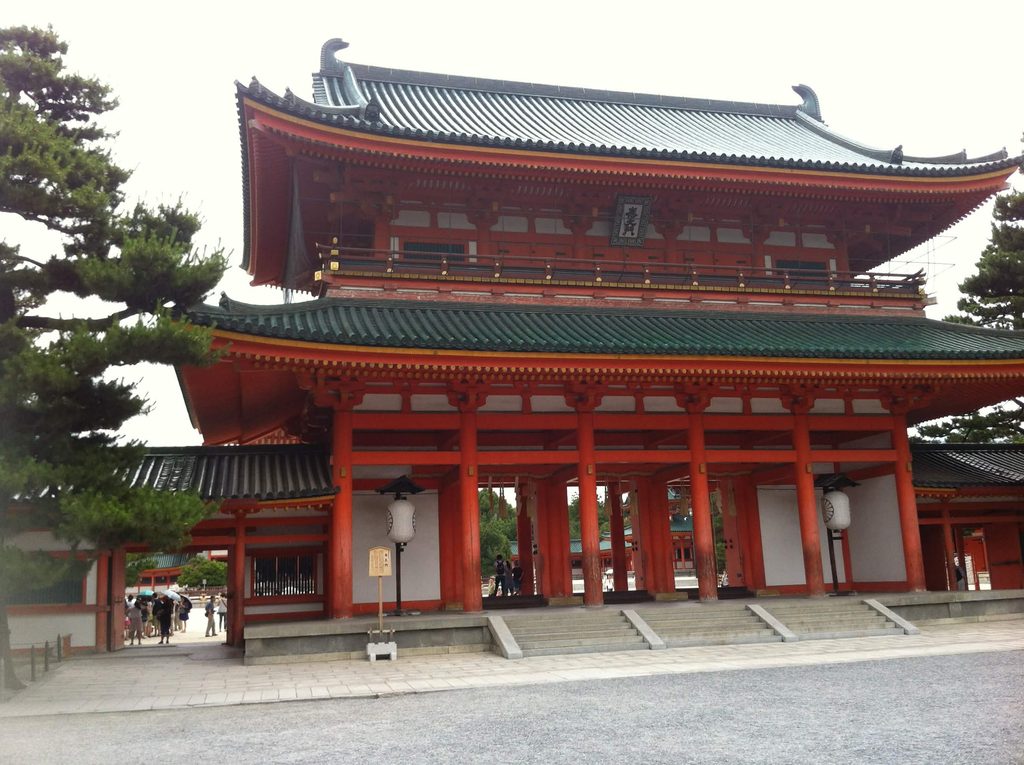
- Hokkaido, in the north: vast spaces, snowy winters, Sapporo and national parks.
- Honshu, the main island: Tokyo, the Japanese Alps, Kyoto, Osaka, Hiroshima.
- Shikoku, the smallest of the four main islands: temples, valleys, and pilgrimage routes.
- Kyushu, in the southwest: Fukuoka, Nagasaki, volcanoes, and hot springs.
- Okinawa and the Ryukyu Islands, far to the south, closer to Taiwan than to Tokyo.
To visualize the whole before leaving, our map of Japan details the geography of the archipelago and its main cities.
What the Shinkansen allows, and what it does not
The high-speed train is the country’s major asset. Between Tokyo and Kyoto, the Nozomi takes about 2 hours 15 minutes. Kyoto and Osaka are only about fifteen minutes apart. From Osaka, Hiroshima can be reached in just under an hour and a half.
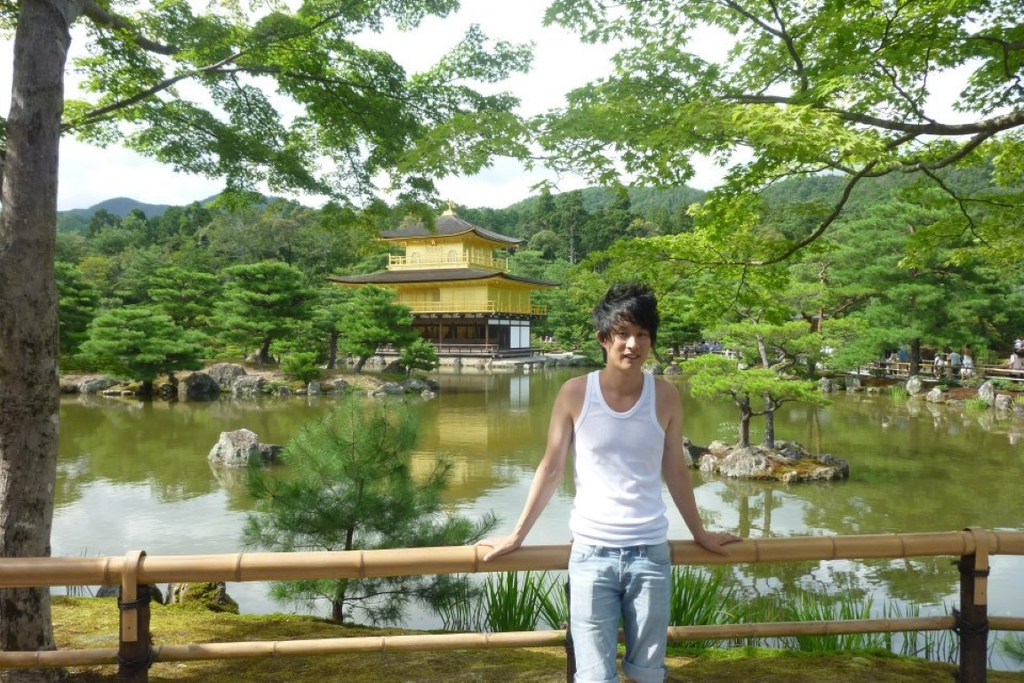
Along this axis, cities follow one another without difficulty. The train also continues towards Kyushu, up to Fukuoka. To the north, the Shinkansen reaches Hakodate, at the southern tip of Hokkaido, in about four hours from Tokyo, but does not yet go all the way to Sapporo.
For Okinawa, the plane remains the only reasonable choice: count about two and a half hours of flight from Tokyo, plus transfers.
The reasoning is the same as in China, where distances are even more deceptive. We detailed it in our guide for traveling in China without underestimating distances.
Building a realistic itinerary

The classic route for a first trip
For a first two-week visit, the Tokyo, Kyoto, Osaka, Hiroshima route covers the major sites without rushing. A balanced distribution looks like this:
- Tokyo: 4 to 5 days, with an excursion to Nikko or Kamakura
- Kyoto: 3 to 4 days, temples, gardens, and a round trip to Nara
- Osaka: 1 to 2 days, for street food and the castle
- Hiroshima and Miyajima: 1 to 2 days
This pace leaves half a day margin at each city change. It always comes in handy: luggage, hotel check-in, scouting the neighborhood.
When to add the Japanese Alps or Hokkaido
The Japanese Alps, with Takayama, Kanazawa, or the Kiso Valley, fit well between Tokyo and Kyoto, provided you dedicate three days there. Hokkaido, on the other hand, almost requires a separate trip: at least four or five days on site to justify the journey.
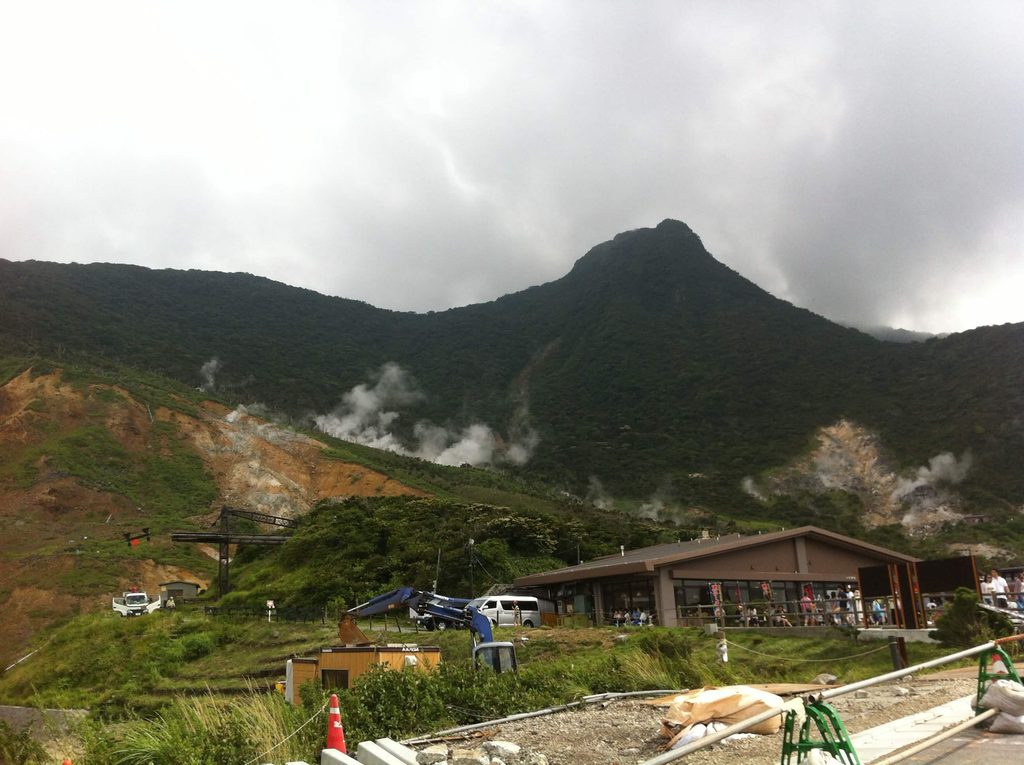
A three-week stay allows combining the classic route with an additional region. Below that, it’s better to choose.
Get your itinerary validated
An outside eye quickly spots steps that are too tight or unnecessary detours. For a first stay, a custom trip to Japan built with a specialist allows you to check travel times, the order of steps, and reservations to anticipate before booking tickets.
For practical information, seasonal schedules, and official advice, the website of the Japan National Tourism Organization remains the reference.
Classic mistakes to avoid
Multiplying stops
Changing hotels every two days is more exhausting than you might think. Each departure costs a morning between packing suitcases, traveling to the station, and settling in upon arrival. It’s better to have bases of three or four nights, and day trips.
Underestimating Hokkaido and Okinawa
These two regions are located at the edges of the map. Adding them “on the way” to a circuit centered on Kyoto means adding a flight, two transfers, and a day of transport each time.
Forgetting airport transfers
Narita is about an hour by train from central Tokyo. Kansai, Osaka’s airport, is built on an artificial island in the bay. A one and a half hour domestic flight often represents half a day, door to door.
Ignoring the seasons
The cherry blossom season and Japan’s Golden Week holidays, at the end of April and beginning of May, fill trains and hotels. On Honshu, the rainy season usually occurs in June and July, and typhoons are more frequent at the end of summer. A realistic itinerary takes the weather into account as much as the distances.
A trip canceled by a typhoon can delay the entire rest of the journey.
Conclusion
Start by mapping out the distances, then choose the stops, and finally book trains and hotels early for busy periods. Japan is best savored slowly, one region at a time.
To place the country among its neighbors, our map of Asian states complements the reading.