The question when to go to La Réunion often comes up among travelers dreaming of discovering this island in the Indian Ocean. With its tropical climate, breathtaking landscapes, and a variety of activities all year round, La Réunion appeals as much to hiking enthusiasts as to those seeking beaches. But to truly enjoy the stay to the fullest, it is better to get information about the weather, the dry season or wet season, as well as the periods of high and low season.
When to go to Réunion: favor May to October for dry hikes, smoother traffic, and clear panoramas. The wet season from November to April offers warmer seas and lush vegetation, but heavy downpours and a higher cyclone risk. Mix the west coast for the beach and the highlands for the cirques, setting off early in the mountains.
Climate of La Réunion and seasonal specifics
La Réunion is located in the southern hemisphere, which significantly influences its climate and seasons. There are mainly two major periods: the austral winter, generally dry, and the austral summer, warmer and more humid. Each period has its advantages and disadvantages depending on visitors’ desires.


So no question of preparing a trip without checking how temperatures and precipitations evolve throughout the year. The island is also marked by microclimates, with notable differences between the leeward coast (west) and the windward coast (east), but also between the mountains and the beaches.
Table: When to go to La Réunion
| Element | Details |
|---|---|
| Climate | Tropical: trade winds, marked microclimates between coasts and cirques |
| Seasons | Dry austral: May to October; wet: November to April |
| Ideal period | May to October for hikes, open roads and visibility at altitude |
| Cyclones | Risk mainly January to March, heavy rains on the east |
| Swimming | Warmer sea November to April, possible swell on the west in austral winter |
| Hiking | Cirques: Piton des Neiges: ideal in dry season; early morning departures |
| Observation | Humpback whales June to September off the west coast |
| Budget: crowd levels | Peaks: French holidays (July to August, December); best rates outside holidays |
| Tips | Book car in advance, mix sheltered west coast and highlands, bring fleece for summits |
What are the characteristics of the dry season?
The dry season corresponds to the austral winter, which generally lasts from May to October. This period offers pleasant temperatures between 18 and 26 °C on the coast, with less rain, especially on the west coast. Conditions are ideal for hiking, excursions in the cirques, or climbing the Piton de la Fournaise.

Many travelers consider this period as the best time to visit La Réunion, notably due to mild weather and perfectly passable trails. In fact, it is in July and August, during the French holidays, that La Réunion experiences its high tourist season. Be sure to book early if you are aiming for these months.
What to expect during the wet season?
From November to April, the austral summer sets in with its share of heat and rainfall. Temperatures can rise up to 33 °C, accompanied by high humidity levels. This is also the period when there is a risk of cyclones, although not every summer is affected.
Those who enjoy observing the lush nature or prefer to avoid crowds will not be disappointed in the low season. Even though some hikes may be slippery due to rain, the waterfalls are impressive and the vegetation bursts with colors. Some specifically appreciate this more intimate and unique atmosphere.
Weather and temperatures in La Réunion: what should you know?
The weather in La Réunion remains generally mild all year round, but a few important points should be considered when choosing dates. Over the months, temperature differences are not extreme, but some places have their own particularities. Here are the main trends observed on the island.
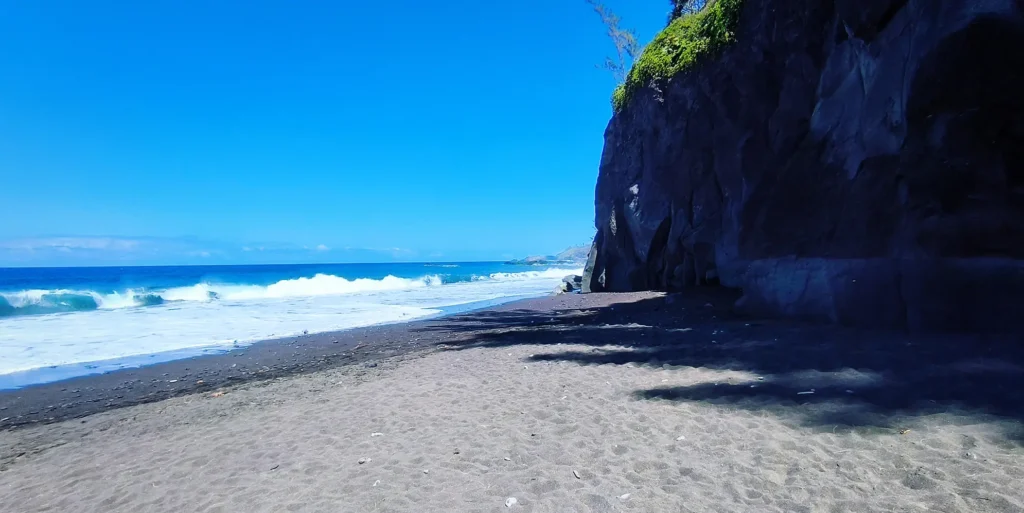
The coastal areas, mainly frequented for swimming and relaxation, offer pleasant averages. As soon as you climb towards the peaks, like the Piton des Neiges, the coolness is clearly noticeable, sometimes even cold in the evening.
- Austral winter (May to October): mild temperature, dry climate, perfect for hiking
- Austral summer (November to April): high heat, frequent rains, lush vegetation
- High tourist season: July-August and December, higher crowds
- Low season: March, May, September, quieter atmosphere, attractive budgets
What is the best time to visit La Réunion?
Determining the best time to visit depends primarily on the activities sought and personal preferences. Outdoor sports enthusiasts often favor the dry season, while those attracted by exuberant nature appreciate the contrasts of the austral summer.

Practically speaking, the dry season is ideal for hiking in good conditions, enjoying clear skies for paragliding, or exploring turquoise lagoons without worry. Those looking to avoid crowds and benefit from advantageous rates often opt for the low season, while monitoring the weather to avoid an exceptionally rainy week.
What events mark the year in La Réunion?
Several cultural festivals and traditions mark the Réunion calendar, sometimes influencing the choice of departure date. The whale season, for example, from June to October, attracts many curious visitors to the west coasts of the island to admire these marine giants.
Others prefer to schedule their stay during celebrations such as Dipavali (the Tamil festival of lights) or the many typical religious processions. Each period offers its share of cultural discoveries, adding an extra dimension to the trip.
How to adjust your plans according to the weather?
One tip is to plan several types of activities depending on the forecasted weather. If rain shows up in the mountains, why not turn to the sheltered beaches of Saint-Gilles or visit the covered markets? Anticipating a few indoor days allows you to fully enjoy the stay, whatever the season.
By keeping an eye on the local weather reports, it becomes easy to adjust outings and maximize the chances of discovering all the facets of Réunion Island, whether the sun is shining brightly or the mist cloaks the green ramparts of the mountains.
Tips for organizing your stay according to the season
For each time of year, a few tips make trip preparation easier and avoid unpleasant surprises. It’s best to put all the odds on your side to enjoy this intense island peacefully.
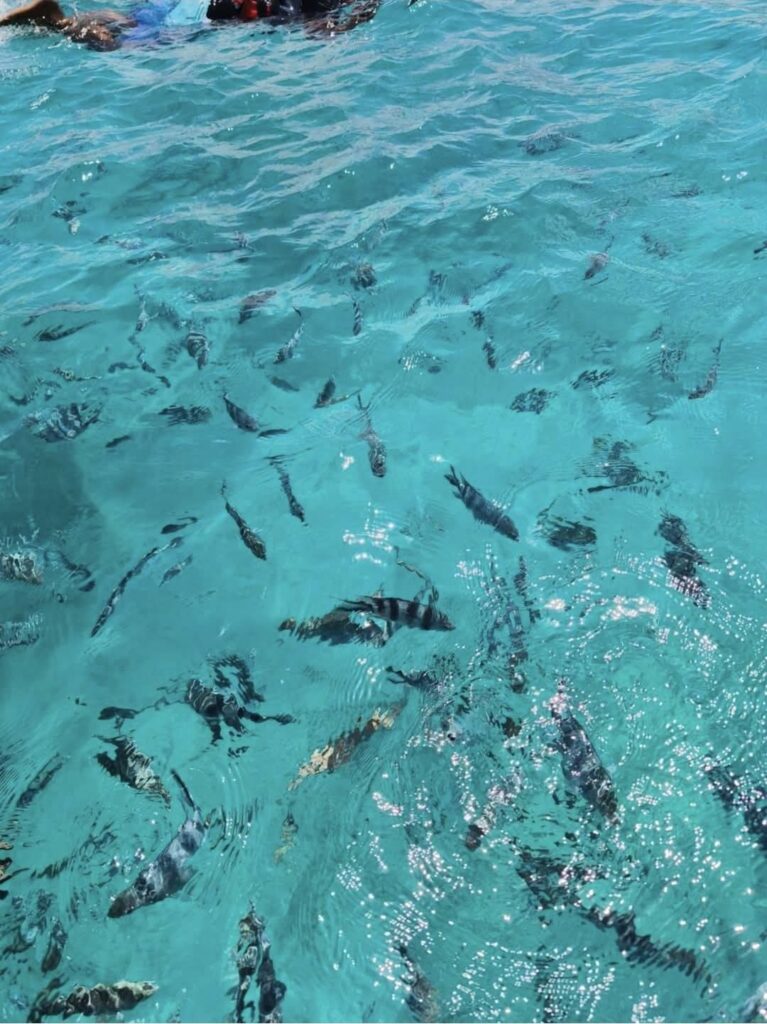
Remember to adapt your suitcase: light clothing for the austral summer, windbreakers and sweaters for winter, non-slip shoes in case of hiking. A few extra precautions make it easy to adapt to the island’s changing climate, which regularly offers pleasant surprises.
- Book in advance during the high season to guarantee availability and the best prices
- Prefer renting a car to explore the island’s different microclimates
- Don’t forget sunscreen and mosquito repellent, essential all year round
- Check the local weather to optimize hiking or swimming routes
To locate the island and prepare your routes, start with where Réunion Island is located then identify the key reliefs via the Réunion Island map. If you are considering a combined trip to the Indian Ocean islands, compare with the Seychelles map for the best weather windows and connections.
FAQ: When to go to Réunion Island
Aim for May to October, drier soils and better visibility over Mafate, Cilaos, and Piton des Neiges.
When to go to La Réunion for swimming: November to April with warmer water, while staying attentive to swells and the instructions at supervised beaches.
When to go to La Réunion for whale watching: June to September on the west coast during the migration of humpback whales.
When to go to La Réunion with few showers: the dry season from May to October, especially on the more sheltered west side.