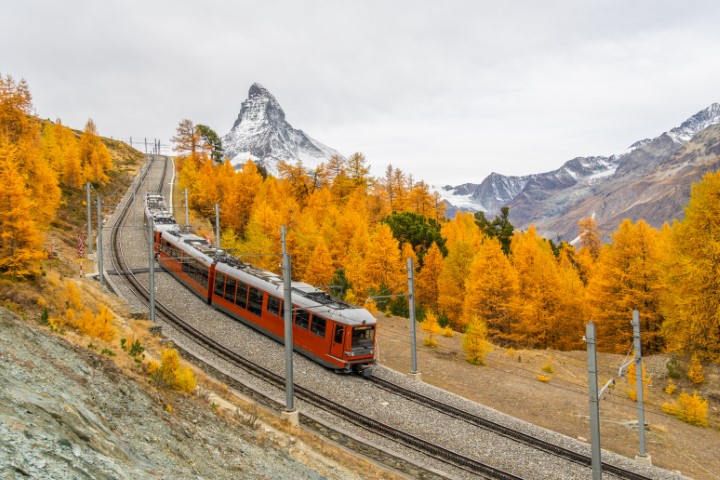
The Himalayas is a remarkable mountain range that fascinates and intrigues travelers as well as geography enthusiasts. But where exactly is this majestic mountain formation located and which countries do its dizzying peaks cross? Let’s discover together the mysteries of this iconic region.
General Description
The word “Himalaya” literally means “abode of snow” in Sanskrit, which could not be more appropriate to describe this mountain range with high altitudes. Located on the continent of Asia, the Himalayas stretch over several thousand kilometers and cross several different countries. The breathtaking landscapes include not only snow-capped peaks but also lush valleys, rushing rivers, and spectacular glaciers.
This immense mountain range is home to some of the highest mountains in the world, including the famous Mount Everest. Many expeditions have been undertaken by climbers from around the world in the hope of conquering these legendary summits.
Countries Crossed by the Himalayas
India
India is one of the main countries where the Himalayas are located. The northern part of the country is dominated by this imposing natural barrier. Some of the Indian regions famous for their Himalayan panoramas include Himachal Pradesh, Uttarakhand, and Sikkim.
These states offer a rich cultural mix and are well known for their Buddhist monasteries, Hindu temples, and other historical monuments. Traveling in this part of India allows one to explore not only the natural beauty but also the fascinating cultural history of the region.
Nepal
Nepal is often considered the heart of the Himalayas. Indeed, it is here that eight of the fourteen highest peaks in the world are located, including Mount Everest (or Sagarmāthā in Nepali). Tourism in Nepal is strongly focused on trekking and mountaineering, attracting adventurers from all over the world.
Hiking trails such as the famous Annapurna circuit or the Everest Base Camp trek allow visitors to fully enjoy breathtaking landscapes while discovering the local traditions of mountain villages. The Sherpas, an ethnic group living in this region, are particularly renowned for their incredible endurance and mountaineering expertise.
Bhutan
Located to the east of the Himalayas, Bhutan is a small kingdom known for its “Gross National Happiness” policy. This country preserves a significant part of its biodiversity thanks to its strict environmental conservation policies. The mountains of Bhutan are among the least explored in the entire Himalayan range, offering an authentic and serene experience to the few lucky ones who venture there.
Bhutan is also rich in cultural heritage with its impressive fortresses, colorful festivals, and ancient monasteries perched on the mountain slopes.
Tibet (China)
Many spontaneously associate the Himalayas with Tibet, an autonomous region of China. The Tibetan plateau is located just north of the Himalayas and is often nicknamed “the roof of the world.” Tibet is bordered by several major Himalayan mountains, including the imposing Mount Kailash, a sacred pilgrimage site for several religions including Hinduism and Buddhism.
Tibetan culture is steeped in spirituality, visible through its many Buddhist monasteries and its capital Lhasa, with the Potala Palace once serving as the residence of the Dalai Lama.
Pakistan
Pakistan also includes a small portion of the Himalayas, mainly located in the Gilgit-Baltistan region. This area is known for its spectacular landscapes with peaks like Nanga Parbat, also called “the killer mountain” due to its climbing difficulty.
This area offers unique opportunities for nature and adventure enthusiasts, including trekking, climbing, and cultural discovery of the local tribes living in these remote lands.
High Altitudes and Environmental Challenges
One of the most distinctive features of the Himalayas is its high altitude. With peaks regularly exceeding 8000 meters, the Himalayan range poses formidable challenges both for inhabitants and visitors.
The extreme height leads to harsh climatic conditions, with temperatures dropping well below zero even during the summer months. The thinning oxygen at altitude can cause various ailments ranging from simple discomforts to severe medical problems such as acute mountain sickness.
Geopolitical Importance of the Himalayas
A Natural Buffer
The Himalayas play a crucial role as a natural barrier between global and regional powers. It distinctly separates the cultural and economic spaces of South Asia (such as India and Pakistan) from those of Central and East Asia (such as China).
This separation influences military strategies, border governance, and even hydropolitical issues since several major Asian rivers originate in the Himalayas, providing water to millions of people.
Territorial Rivalries
The Himalayan border areas are often subject to territorial disputes. Notable tensions exist particularly between India and China as well as between India and Pakistan concerning different sections of the Himalayan border. These rivalries can exacerbate security issues and complicate already delicate diplomatic relations between these nations.
Biodiversity and Conservation
Unique Flora and Fauna
The Himalayas host a rich biodiversity that varies with altitude and climate. At lower altitudes, there are lush temperate forests containing a variety of rare plant and animal species. The intermediate zones host species adapted to cold and wet conditions, while the snow-capped peaks are almost devoid of life except for some specific types of birds and hardy flora.
Some iconic animals of the Himalayas include the snow leopard, red panda, and Himalayan black bear. Preserving this biological wealth is crucial in the face of increasing impacts from climate change and human expansion.
Conservation Efforts
Several national and international initiatives have emerged to protect this fragile region. For example, the Himalayan Protected Areas Network is a collaboration among different countries to conserve the ecological diversity of the mountain range.
Sustainable tourism practices are encouraged to minimize environmental impact. Local communities play a key role in these conservation measures as they know their environment perfectly and possess invaluable expertise.
Suggestions for Visitors
For those considering visiting the Himalayas, here are some suggestions:
- Know the altitude: Prepare yourself for the potential effects of high altitude. Take time to acclimate and be aware of the symptoms of acute mountain sickness.
- Ideal seasons: The best time to visit the Himalayas depends on your specific destination and planned activities. Generally, the months from March to May and September to November are ideal for most regions.
- Respect the local culture: The Himalayas are inhabited by diverse populations with rich and ancient cultures. Respect their customs and traditions.
- Responsible tourism: Choose local and sustainable services to minimize your environmental impact and support local economies.

The Himalayas are not just a geographical wonder; they are a cultural, environmental, and economic cornerstone for the countries they traverse. Crossing this mountain range offers an unforgettable adventure blending natural beauty and cultural exploration.
Frequently Asked Questions
The Himalayas are a mountain range located in Asia, spanning five countries: India, Nepal, Bhutan, China (Tibet), and Pakistan.
The Himalayas are home to Mount Everest, the highest peak in the world, reaching 8,848 meters in altitude.
The Himalayas are famous for their majestic landscapes, treks such as the Annapurna Circuit, sacred sites like the Kailash temple, as well as opportunities for mountaineering and cultural discovery.