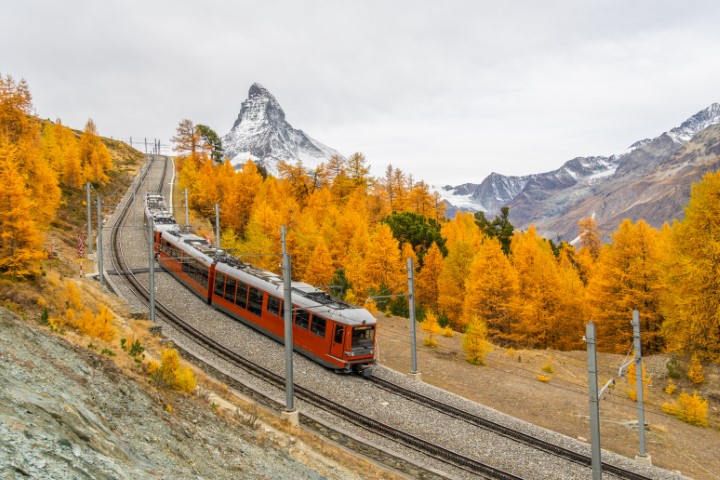
Walking for hours with a backpack to reach a mountain pass at 4,000 meters or following a wild coast: hiking allows you to enjoy all types of landscapes. It must be said that since the pandemic, slow travel has experienced a resurgence of interest among travelers seeking authenticity rather than the race to Instagram destinations.
Hiking proves to be the perfect solution, imposing a natural pace that encourages encounters and allows access to territories far from mass tourism.
Why has hiking become the ultimate way to travel?
If you want to travel differently and live a completely different experience, unlike classic tourism chaining sites in air-conditioned buses, hiking offers a physical connection with the territory. Specifically, the ascent of each elevation gain is earned and each panorama becomes a reward. Make no mistake, traditional hiking is becoming democratized to the point of becoming a global phenomenon.
The trekking sector has also grown by 40% in a few years. Travelers now prefer active stays, living memorable experiences while reducing their carbon footprint. To top it off, hiking also means total disconnection from urban daily life.

Europe – The must-do treks of the old continent
Whether in France, Switzerland, or Italy, it should be known that the Tour du Mont-Blanc stretches over 170 km and offers unmissable views of the roof of Europe. To complete the itinerary, it takes between 7 and 10 days. Along the way, you will find refuges to rest. The most suitable period is between June and September.
The Laugavegur in Iceland offers you the chance to discover a concentration of volcanoes over 55 km. It is also an opportunity to discover hot springs and lava fields. This is a 4-day trek during which you cross lunar landscapes that you will not find anywhere else. There, temperatures are cool, even in summer. That is why it is imperative to plan good equipment.
Located in Corsica, the GR20 is probably the most demanding trail in Europe. Across these 180 km of rocky ridges and technical passages, you can test your physical condition and resilience. This journey requires between 12 and 16 days of intensive walking, so be well prepared!
Americas – From North to South, breathtaking panoramas
What if you ventured on the Appalachian Trail in the United States? It stretches over 3500 km between Georgia and Maine. It is difficult to cover the entire route in one season, but it is still possible to enjoy smaller sections such as the Shenandoah.
On its side, the W circuit of Torres del Paine in Chile allows you to travel and discover millennial glaciers as well as turquoise lakes. Beyond these 5 days of hiking, it is advisable to book your refuges several months in advance.
The Inca Trail to Machu Picchu in Peru is a real physical challenge that you will have to undertake through 2 paths leading to the lost city.
Asia & Oceania – Spiritual and wild treks
After 2 weeks of walking, you arrive at the Everest Base Camp in Nepal at 5364 m. Its altitude is the biggest challenge, while progressive acclimatization remains essential to reach the lodges run by the Sherpas.
In Nepal, you will have to cross the Thorong La Pass to reach the Annapurna Tower. Set out to conquer the subtropical rice fields and the deserted Tibetan plateaus to bring back unforgettable memories.
The Milford Track in New Zealand crosses 53 km of fjord and primary forests. It is considered by some as the most beautiful trail in the world. Keep in mind that only 40 independent hikers per day can embark on it.
Africa – Off the beaten path hikes
To gain altitude with the highest summit in Africa at 5895 m, you have the possibility to take 6 different routes for the ascent of Kilimanjaro in Tanzania.
In Namibia, you have the possibility to walk 85 km in the 2nd largest canyon in the world to reach Fish River Canyon.
Finally, you can cover no less than 220 km of jagged peaks in at least 12 days if you venture on the Drakensberg Grand Traverse in South Africa.
How to prepare your hiking trip abroad
To succeed in your international trek, you must first check the conditions for obtaining trekking permits while also informing yourself about the local political situation. Then adapt your equipment to the climate and terrain while making sure to plan a budget including guides and porters, if this aspect is mandatory. Do not hesitate to download offline maps and even prepare a plan B in case of problems.
Hiking: slow and authentic travel
The 12 treks we have just presented represent experiences that are likely to transform you forever. However, we advise you to start with European itineraries to gain the necessary experience before considering the weight of the greatest Himalayan or South American treks.